Chemical Peels
Clinical exfoliation for skin texture, congestion and pigment management
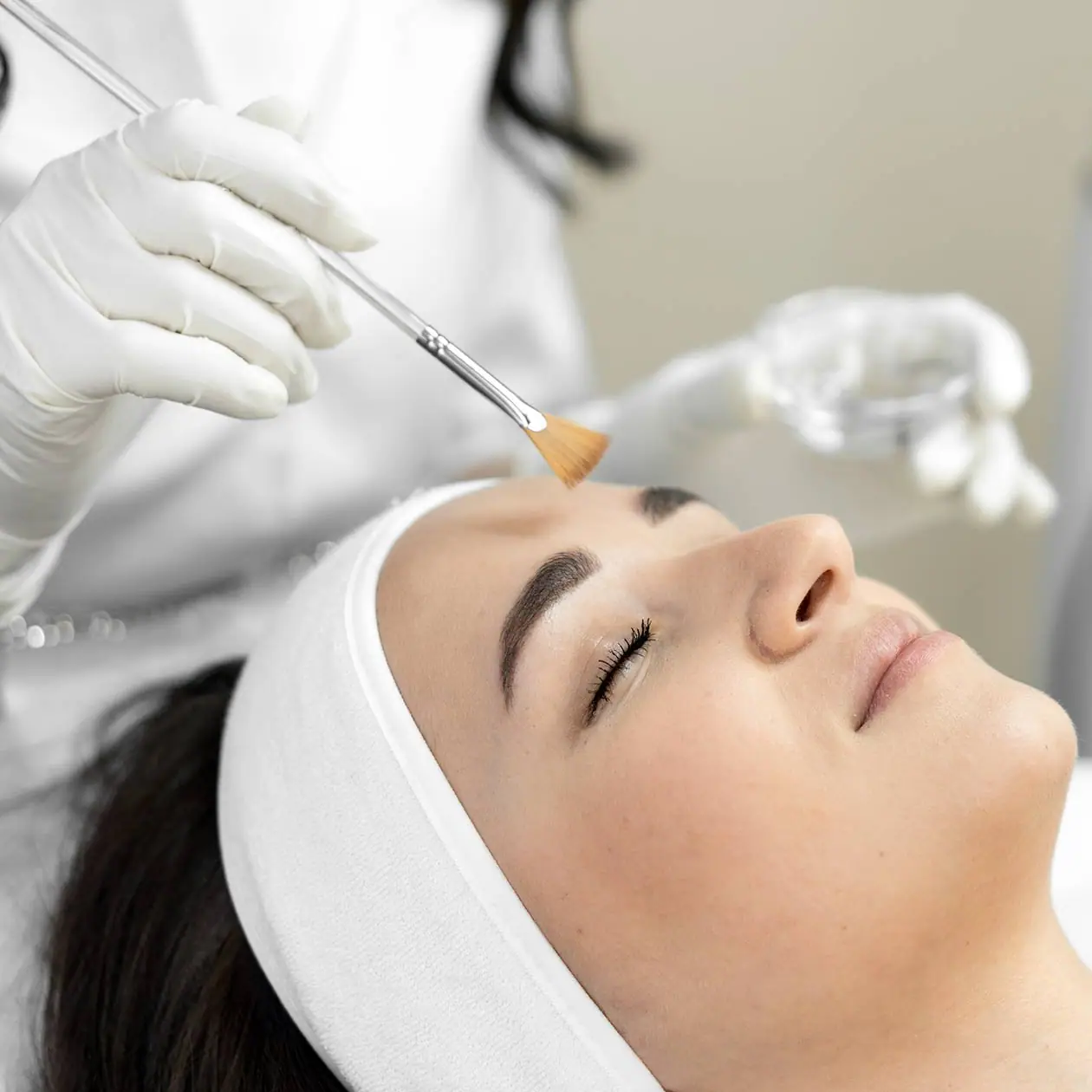
Cosmetic Use of Chemical Peels
Our North East Melbourne specialists use clinical chemical peels to target cosmetic skin concerns and clear away stubborn surface blemishes.
Skin Congestion, Blackheads & Acne
Pigmentation, Sun Spots & Melasma
Fine Lines & Wrinkles
Pitted Acne Scars
Stretch Marks

Specialist Dermatologist: Qualified Medical Practitioner
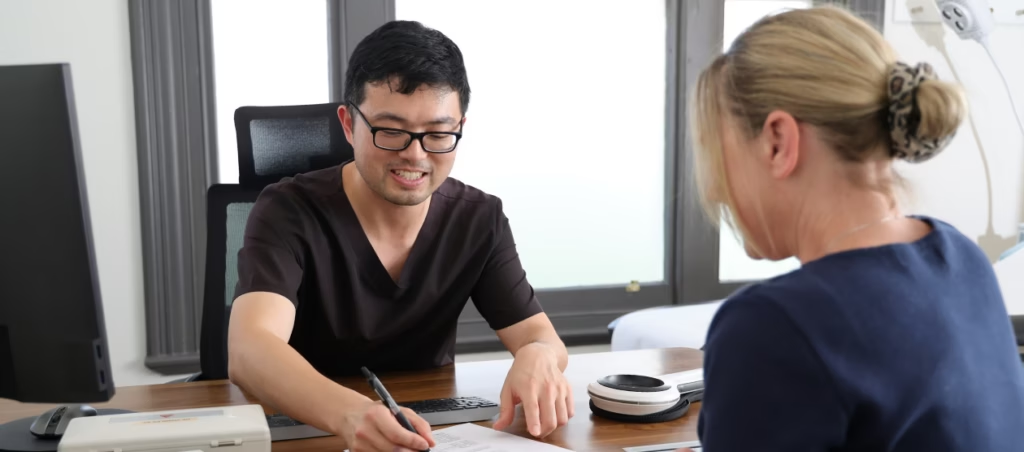
What to Expect from Your Cosmetic Consult
Initial cosmetic consultations allow time for a discussion about history and goals, as well as a medical assessment to determine the suitability of treatment options.
Step 1 | Goals & Medical History
A private and realistic discussion about your aesthetic goals, texture concerns and a review of your skin health history.
Step 2 | Medical Assessment
A detailed look at your skin type, pore congestion, tissue thickness and the extent and severity of sun damage, pigmentation and ageing changes.
Step 3 | Tailored Planning
Selection of the specific peel formulation and depth (superficial, medium or deep) to match your skin health and concerns.
Step 4 | Informed Choices
A clear explanation of your options, including recovery periods along with potential benefits and risks of the peeling formulas used, to support an informed decision.
Step 5 | Treatment (If Suitable)
If clinical suitability and consent are established, the peel may be applied during this session or scheduled for a follow-up visit.
Cosmetic Dermatology in North East Melbourne
Specialist-led Cosmetic Treatments
BOOK YOUR CONSULTATIONFrequently Asked Questions About Chemical Peels
For superficial AHA and BHA treatments, you will feel a mild warming or tingling sensation on the skin. Our clinician will monitor your comfort throughout the application. For medium to deep chemical peels, specialised numbing creams may be arranged to manage your comfort.
Your skin must be completely free from recent sun exposure or tanning. Avoid applying products containing retinol, glycolic acid or salicylic acid for several days before your visit. Arrive at our Heidelberg clinic with clean skin and no makeup or perfumes.
Superficial peels generally carry minimal downtime, causing only mild flaking. Medium and deep peels can lead to a period of skin shedding, peeling and redness that can last from three to ten days. You must wear SPF 50+ sunscreen and avoid the sun and scratching or picking at the flaking skin.
Your treatment schedule depends on the formula used and your skin goals. Gentle superficial treatments, like AHA or BHA peels, can be repeated every four to six weeks to manage congestion and maintain a smoother appearance. Stronger variations, such as medium-depth TCA peels, are usually done as single sessions or annual treatments due to the extended skin shedding timeline. Your Heidelberg practitioner will map out a customised treatment plan and routine during your visit.
More Questions about Chemical Peeling?
To learn more about the cosmetic peel treatment options available at Heidelberg Dermatology, please contact our team on 03 8414 9995.