Sun Damage & Pre-Cancer Skin Treatments
Specialist management for sun-affected skin
Actinic Keratoses (Sun Spots)
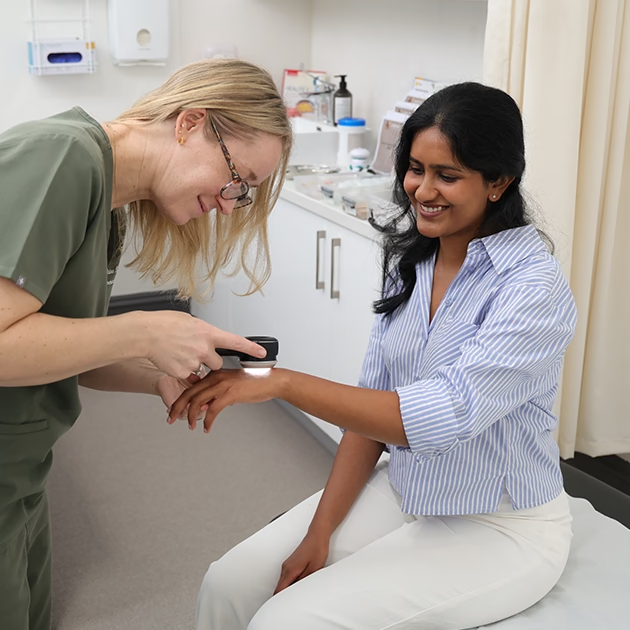
Actinic keratoses (also known as solar keratoses or sun spots) are common precancerous skin lesions caused by cumulative exposure to ultraviolet (UV) radiation over many years. They typically appear as small, dry, rough, scaly or crusted patches of skin and may be red, pink, tan, skin-coloured, or darker in appearance.
Early identification and treatment of actinic keratoses is an important part of skin cancer prevention. If left untreated, a small proportion may progress to squamous cell carcinoma insitu or even squamous cell carcinoma (SCC).
Non-Surgical Treatment Options
Our specialists provide several medical alternatives to surgery for superficial or early-stage skin damage.
Cryotherapy
Photodynamic Therapy (PDT)
Topical Creams
Medical Lasers
> Learn More

Why Try Non-Surgical Treatments?
Surgery is a common way to remove skin cancer, but non-surgical treatments can be a better choice for the more superficial damage on sensitive areas like the face.
Appearance
Creams and lasers can clear large areas of sun damage with a lower risk of scarring.
Coverage
Rather than targeting a single visible lesion, some non-surgical treatments can treat larger areas of sun-damaged skin. This approach may help address both visible and subclinical (not yet visible) precancerous changes.
Convenience
Many non-surgical treatments can be performed in the clinic or managed at home under specialist guidance, depending on the treatment selected.
Specialist Dermatology in North East Melbourne
When was your last professional skin check?
BOOK YOUR SKIN CHECKFrequently Asked Questions
Your Heidelberg Dermatology specialist will only recommend non-surgical treatments if they are appropriate for your specific diagnosis. For certain superficial precancerous lesions and selected early skin cancers, non-surgical treatments can be an effective management option. Your dermatologist will discuss the most suitable treatment approach based on the type, location and extent of the lesion.
Healing times vary depending on the treatment used and the area being treated. Cryotherapy typically heals within one to two weeks, while treatments such as prescription creams or photodynamic therapy (PDT) may cause redness, crusting or peeling for several weeks as damaged skin cells are cleared and the skin repairs itself.
While it is not possible to undo past sun exposure, a range of treatments can help manage the effects of sun damage. Depending on your skin condition, treatments such as topical therapies, photodynamic therapy (PDT), chemical peels and selected laser treatments may help improve the appearance of sun-damaged skin and treat certain precancerous changes.
Consultations with a dermatologist and some procedures like cryotherapy may qualify for Medicare rebates. We recommend checking with our team about the specific costs of your treatment plan.