

Phototherapy
Treatment for eczema, psoriasis and vitiligo
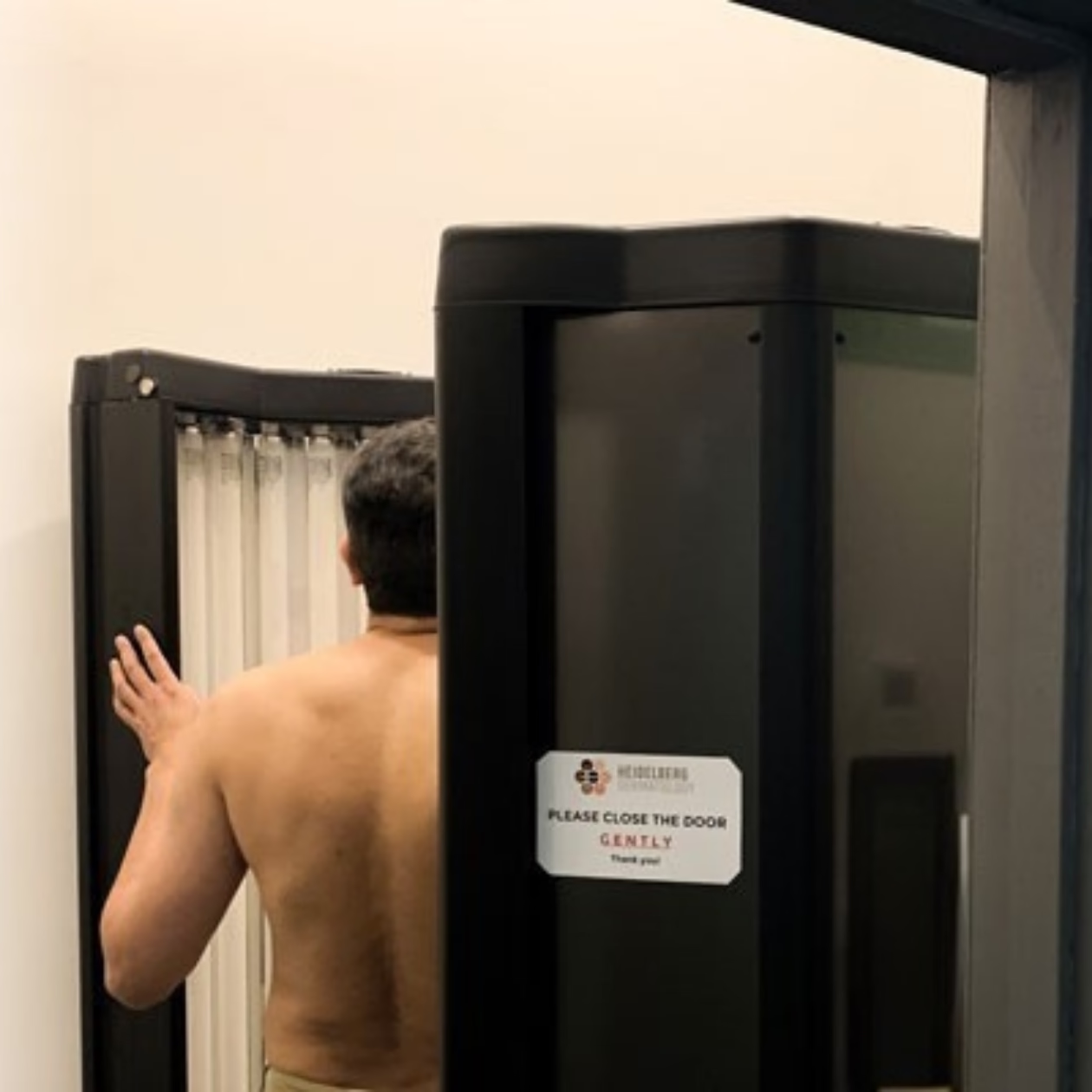
How Does Phototherapy Work?
Phototherapy uses medical-grade light panels to deliver controlled exposure to ultraviolet B (UVB) light. Unlike natural sunlight or solariums, which contain harmful rays, narrowband UVB targets only the exact wavelength needed to reduce skin cell overproduction and help soothe local inflammation.
During a session, you stand inside a specialised light panel system for a duration ranging from a few seconds to several minutes. Your skin absorbs the light energy that turns off active inflammatory cells and triggers healing inside the tissue.


Phototherapy Can Treat a Range of Conditions
At Heidelberg Dermatology in North East Melbourne, our specialists use Phototherapy to help manage and target skin flare-ups.
Eczema & Dermatitis
Psoriasis
Vitiligo (Pigmentary Disorders)

How Phototherapy is Delivered
Whole Body Phototherapy
Hand & Foot Phototherapy
The Potential Benefits of Phototherapy
Medication-Free Treatment
Phototherapy treats the skin directly using medical-grade light and may help reduce the need for certain medications in some patients. As the treatment is targeted to the skin, it avoids many of the systemic side effects associated with oral therapies.
Flexible and Repeatable
Treatment sessions are typically brief, making them easier to fit into your weekly routine. Phototherapy can be used over extended periods when clinically appropriate, and treatment schedules may be adjusted based on your skin’s response and disease activity.
Warm Relief
The procedure is comfortable, delivering a gentle warmth to the skin during the session without any stinging or recovery time.
Specialist Dermatology in North East Melbourne
Ready to manage your eczema, psoriasis or vitiligo with bulk-billed medical light therapy?
BOOK YOUR CONSULTATIONPhototherapy Frequently Asked Questions
Please arrive with clean skin and avoid applying moisturisers, cosmetics, perfumes or other products to the areas being treated unless advised otherwise by your dermatologist. Sunscreen may be applied to areas not being treated, and you wish to protect them from UV exposure. Protective eyewear will be provided and must be worn during treatment.
Current evidence suggests that narrowband UVB phototherapy does not significantly increase the risk of skin cancer when used under medical supervision. It uses a specific wavelength of ultraviolet light (311–312 nanometres) that is carefully controlled and targeted for therapeutic use. Phototherapy is delivered according to prescribed treatment protocols and is monitored by healthcare professionals.
The number of phototherapy sessions required varies depending on your skin condition and how well it responds to treatment. Many patients begin with two to three sessions per week. As your skin improves, your dermatologist may reduce the frequency of treatment or recommend a break from therapy, depending on your individual response.
At Heidelberg Dermatology, phototherapy treatment sessions are bulk-billed for patients with a valid Medicare card and referral, meaning there are no out-of-pocket costs for the light treatments themselves. Your initial consultation and ongoing reviews with the dermatologist are billed separately and attract standard consultation fees, with Medicare rebates available where applicable.