
Medical Laser Treatments
Laser therapy for vascular conditions and pigmentation
How Medical Lasers Work
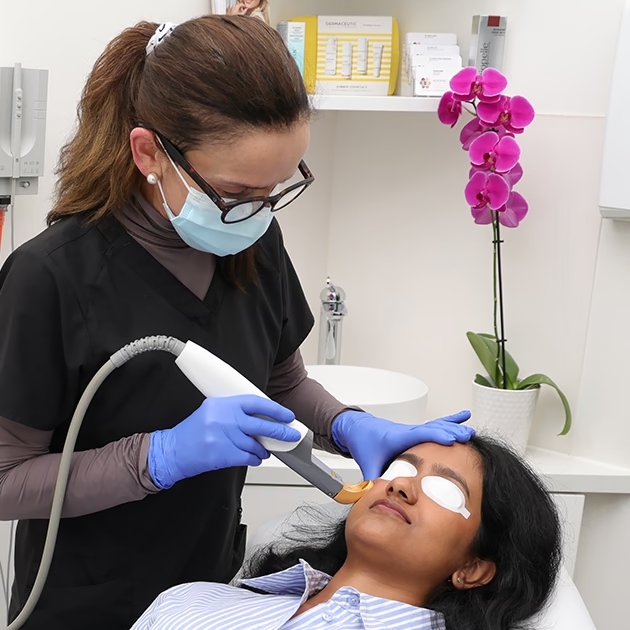
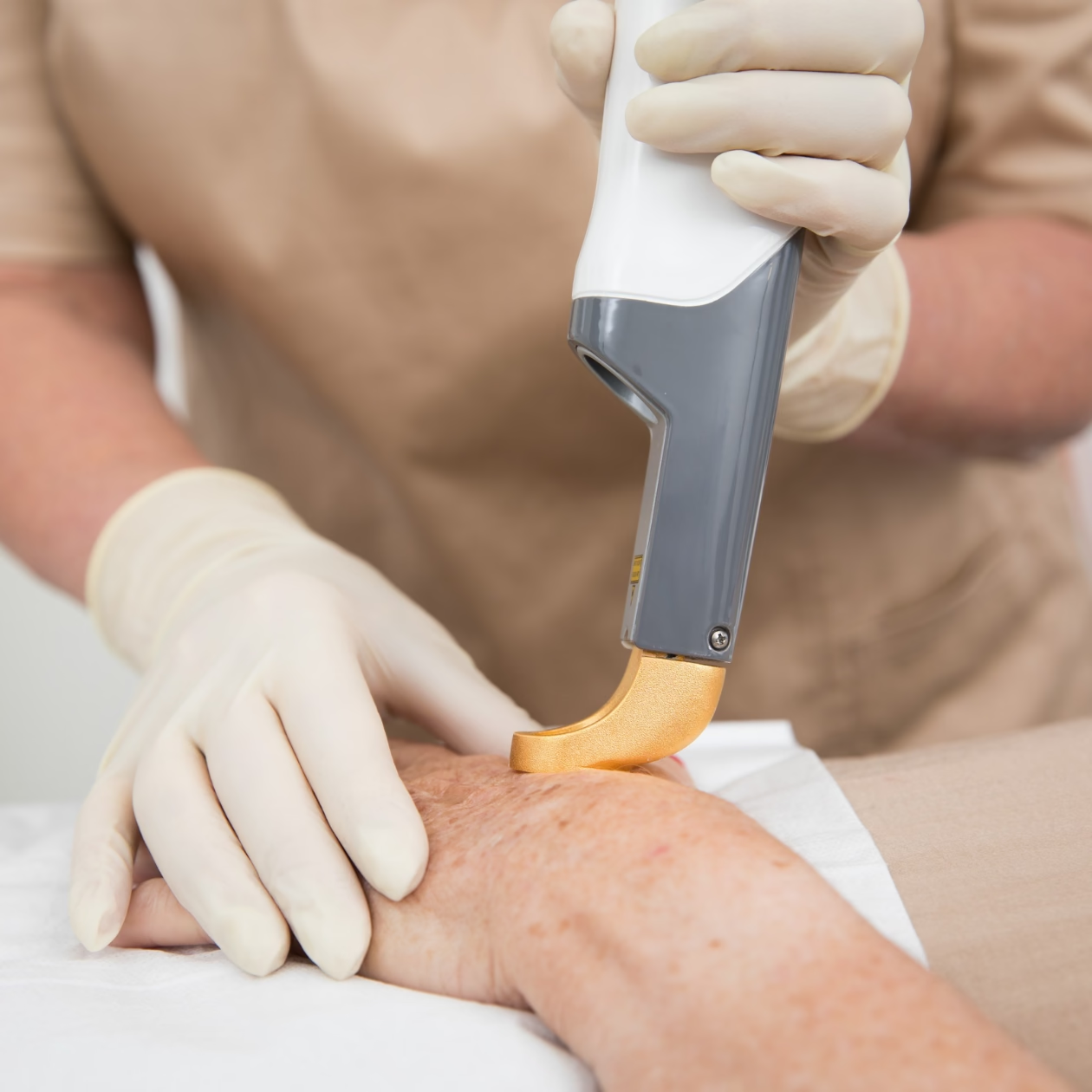
Our clinic uses advanced vascular laser technology that delivers targeted light energy beneath the skin's surface. This energy is absorbed by haemoglobin within blood vessels, generating heat that can help reduce visible vessels, facial redness and certain vascular skin concerns while minimising impact on the surrounding skin.

Conditions We Treat with Lasers
Our Heidelberg dermatologists match specific laser wavelengths to the deep blood vessels and dense pigment blocks causing your chronic skin symptoms.
Laser for Rosacea (Facial Redness)
Laser for Flushing & Facial Capillaries
Laser for Vascular Lesions
Laser for Pigmentation

Why Choose Medical Laser Treatments?
Selective Cellular Targeting
The laser wavelength primarily targets red blood cells or brown pigment, preserving the surrounding normal skin.
Minimal Downtime
Temporary redness following treatment usually settles within hours to a few days, depending on the treatment performed.
Non-surgical
As the light seals or breaks up the targets beneath the surface, there is no cutting involved, minimising the risk of permanent marks or scarring.
Built-In Cooling Comfort
Modern lasers use cooling systems that deliver a constant blast of chilled air onto the skin during the session to manage heat and skin sensitivity.
Specialist Dermatology in North East Melbourne
Sick of blushing or pigmentation?
BOOK YOUR CONSULTATIONFrequently Asked Questions: Medical Laser
Most patients describe the feeling as a quick snap of a rubber band against the skin accompanied by a brief sensation of heat. Discomfort remains low, and our systems uses a skin-cooling air feature throughout the session to help keep you comfortable.
Rosacea is a long-term, relapsing condition with no known cure. Medical lasers do not cure the condition, though they provide relief by clearing visible veins and reducing the constant background redness for extended periods.
Usually, about 3-6 sessions spaced four to six weeks apart is recommended for better clearing. Your dermatologist can then set a maintenance schedule once or twice a year to keep your flushing under control.
No. You must avoid sun exposure and tanning for at least four weeks before your session, as tanned skin absorbs the laser energy incorrectly and increases the risk of skin irritation.