

Photodynamic Therapy (PDT)
Non-surgical superficial skin cancer and sun damage treatment
How Photodynamic Therapy Works
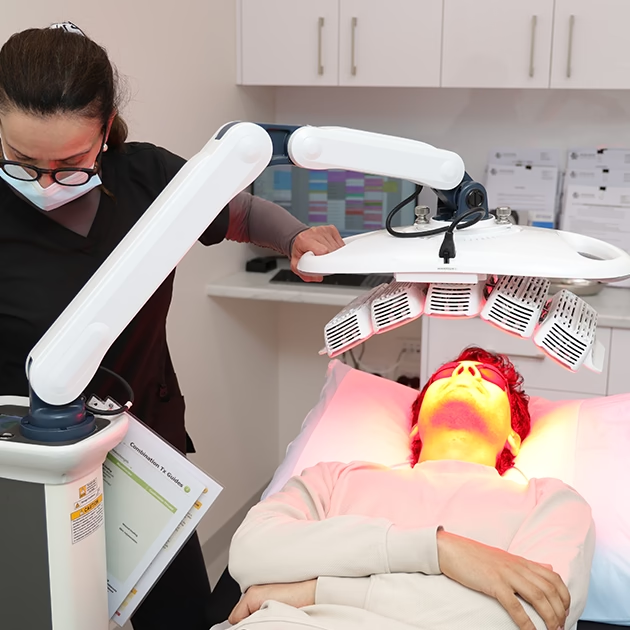
PDT combines a light-sensitive cream, called a photosensitiser, with a specific wavelength of light to target damaged or cancerous cells. First, our team applies the specialist cream to the treatment area and then you wait a period of time between 3-4 hours. During this incubation period, the skin absorbs the cream and gathers selectively inside these abnormal cells.
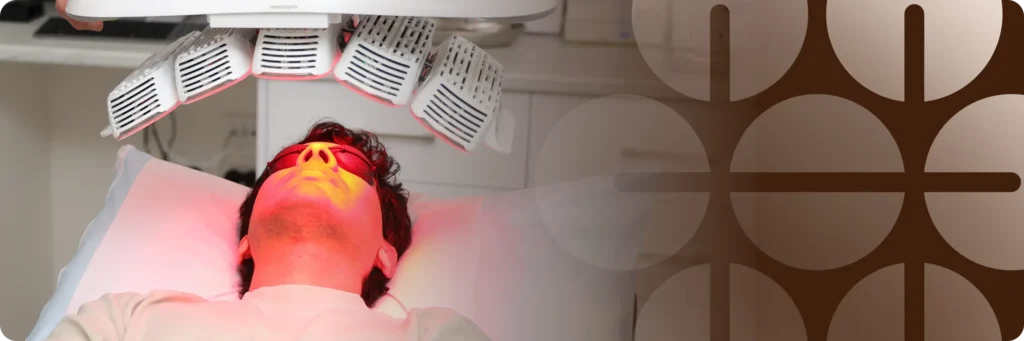
We then apply a medical grade Red LED light to the skin. The light activates the cream, selectively destroying the damaged or cancerous cells without the need for cutting or surgical stitches.

Conditions Treated with Photodynamic Therapy
Our North East Melbourne specialists use PDT to manage a range of medical and cosmetic skin concerns.
Solar Keratosis (Sun Spots)
Superficial Basal Cell Carcinoma (BCC)
Bowen’s Disease (Intraepidermal Carcinoma)
Actinic Cheilitis (Sun-Damaged Lips)
Acne
Why Choose Photodynamic Therapy?
This non-surgical treatment can provide multiple advantages for managing sun damage and early skin changes.
Targeted
The light-activated cream accumulates in the abnormal cells, so the treatment preserves more the surrounding normal tissue compared to other techniques.
No Surgical Scarring
Because the treatment does not involve incisions, it is a good option for visible areas like the face, neck, and scalp where you might want to protect your skin’s appearance more.
Field Coverage
Instead of treating one spot at a time, PDT can treat a zone (such as the whole forehead), helping clear away microscopic pre-cancers before they become visible.
More Manageable Downtime
Full-face treatments typically involve several days of healing and recovery, during which the skin may become red, peel and gradually recover, similar to a sunburn.
Specialist Dermatology in North East Melbourne
Want to clear away sun damage without surgery?
BOOK YOUR CONSULTATIONFrequently Asked Questions About PDT
Some people may feel a stinging, warm or burning sensation when the red-light source is turned on. The level of discomfort can vary depending on the area being treated and individual sensitivity. Your clinician will talk you through what to expect and can support you during the session. You may also be advised to take an over-the-counter pain reliever before your appointment, if suitable for you.
Please arrive at our Heidelberg clinic with completely clean skin. Wash the treatment area thoroughly beforehand and do not apply any makeup, moisturisers, perfumes or sunscreen.
Your skin will feel sunburned and may experience temporary redness, swelling or mild blistering. Over the week, the treated area will peel as the old, damaged cells clear away, replaced by the healthier skin underneath.
Your initial specialist consultation with our dermatologist may be eligible for standard Medicare rebates. The PDT treatment itself, though, does not have a Medicare rebate. Patients should check directly with their private health insurer regarding any available benefits or rebates.