
Skin Cancer Surgery & Removals
At Heidelberg Dermatology, we aim to achieve complete removal of skin cancers while carefully considering both functional outcomes and the appearance of the skin. Treatment plans are tailored to the location, size and type of lesion, with the goal of preserving as much healthy tissue as possible where clinically appropriate.
Managing Pre-Cancerous Spots
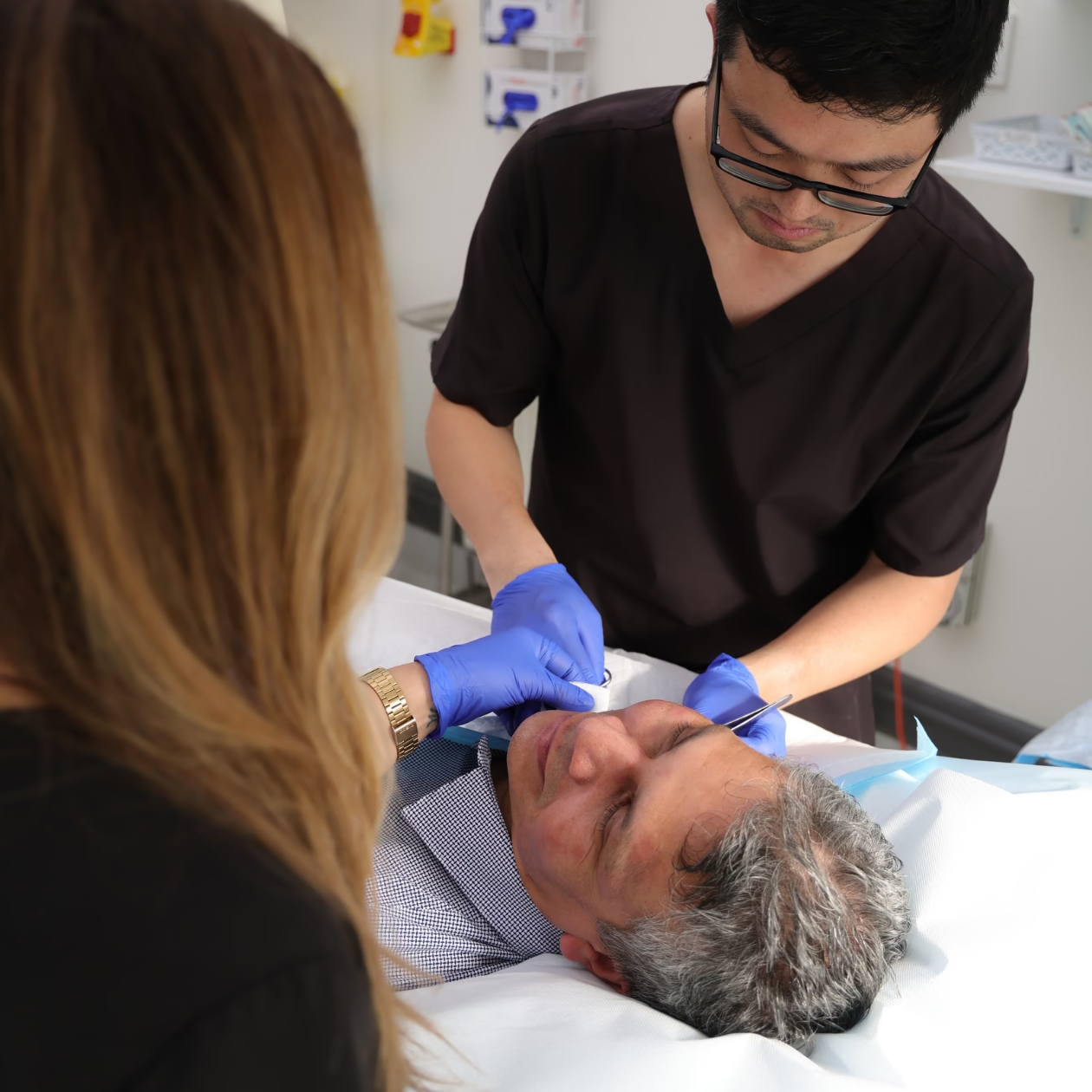
Before a spot becomes a skin cancer, it can appear as a pre-cancerous lesion known as Solar Keratosis (or Actinic Keratosis). These are usually small, crusty or scaly patches of skin caused by years of sun exposure.
Managing these early is an important part of skin health. Surgery is not always needed for these spots, and we provide targeted medical treatments to address them.
Specialist Surgical Removal
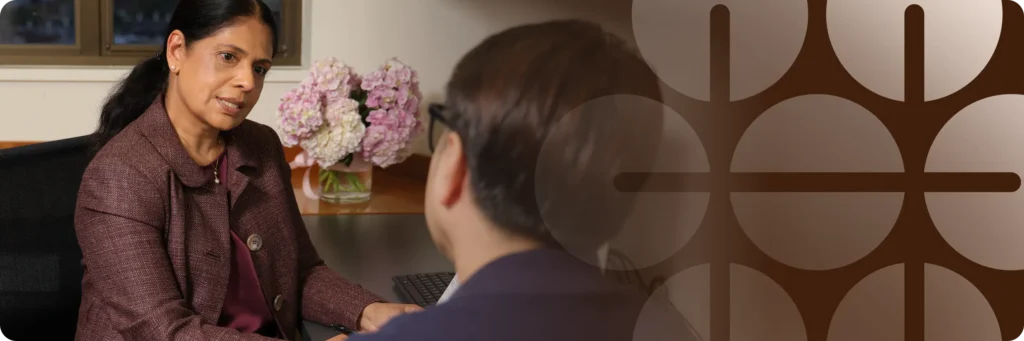
When biopsy findings confirm a skin cancer, our plastic surgeon performs removals in our specialised clinical rooms. This level of qualified care is important for spots on the face, neck or other visible areas where a neat scar, or scar minimisation, is a priority. We provide surgical management for:
Basal Cell Carcinoma (BCC)
Squamous Cell Carcinoma (SCC)
Melanoma
Atypical Moles
Medical Practitioner: FRACS Plastic Surgeon
The Skin Cancer Surgery Journey
Facility: On-site, Specialised Clinical Room.
Surgical procedures are usually scheduled as a separate appointment once the biopsy findings are known. Your care follows a clear, five-step process:
Step 1 | Surgical Planning
A talk about the size and location of the cancer. Your surgeon will explain the technique they will use, such as a removal or a more complex flap or graft.
Step 2 | The Procedure
Performed under local anaesthetic in our purpose designed clinical room. Our surgeon removes the cancerous cells while preserving as much healthy skin and tissue as possible.
Step 3 | Pathology Confirmation
All removed tissue is sent to a specialist lab. A pathologist examines the sample to confirm the diagnosis and verify that the edges are clear of cancer cells.
Step 4 | Wound Care & Recovery
You will receive clear instructions on how to look after your stitches. We provide support to help the healing process and manage the scar.
Step 5 | Follow-up and Review
An appointment to remove stitches and discuss the final pathology findings. We confirm the treatment is finished and set a schedule for your ongoing skin checks.
Specialist Dermatology in North East Melbourne
When was your last professional skin check?
BOOK YOUR SKIN CHECKFrequently Asked Questions
A biopsy is a small sample taken to confirm what a spot is. An excision is a surgical removal where the whole lesion is taken away, along with a small edge of healthy skin, to treat the cancer.
Any time the skin is cut, a scar is part of the healing process. We provide patients with adequate information to try and improve wound healing thereby minimising scar formation.
If you have been diagnosed at another clinic, a referral from your GP or specialist is recommended. A valid referral allows you to access Medicare rebates for your consultation and helps keep your healthcare providers informed of your treatment.
If your skin cancer was diagnosed at Heidelberg Dermatology, we can coordinate your care and surgical management internally.