
Hair Loss and Hair Thinning Treatments
Specialist diagnosis and management of hair and scalp conditions
Hair Loss and Hair Thinning Treatments
Male Pattern Hair Loss and Thinning
Female Pattern Hair Loss
Alopecia Areata
Telogen Effluvium
Inflammatory Scalp Conditions
Practitioner: Specialist Dermatologist (FACD)
What To Expect at Your Hair Consultation
Initial consultations are dedicated to understanding the history and symptoms of your hair loss, and include a detailed scalp examination.
Step 1 | Medical History
Our specialists will ask you questions and review your hair loss timeline, family history, lifestyle factors, other symptoms and medications.
Step 2 | Scalp Assessment
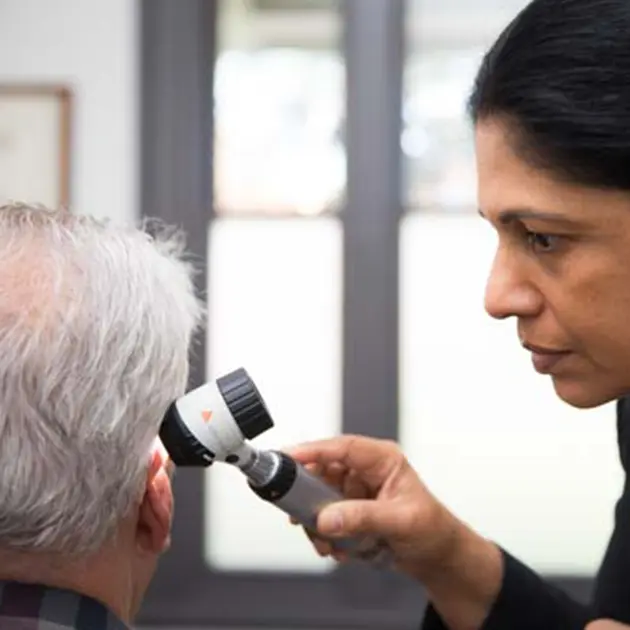
A comprehensive examination of the hair and scalp is performed using a dermatoscope, which provides high-magnification detail of the hair follicles and scalp. Clinical photographs may also be taken to document your baseline appearance and monitor your progress throughout treatment.
Step 3 | Diagnosis & Discussion
The specialist will identify and diagnose your specific type of hair loss, such as androgenetic alopecia, telogen effluvium or alopecia areata. You will then be walked through the condition, biological details, triggers and any suitable treatment options.
Step 4 | Tailored Planning
A personalised management plan will be developed based on your diagnosis and individual needs. Treatment options may include prescription therapies, platelet-rich plasma (PRP) therapy, clinical procedures, lifestyle recommendations, or further blood investigations where appropriate.
Step 5 | Follow-up Care
Follow-ups will be planned or a schedule established to track hair growth, condition management and adjust your medical plan as required.
Specialist Dermatology in North East Melbourne
Tired of general advice for your specific hair needs?
BOOK YOUR CONSULTATIONFrequently Asked Questions
We strongly encourage patients to obtain a valid GP referral prior to their consultation. A referral may allow you to claim a Medicare rebate and also helps our specialists communicate with your GP to support continuity of care and ongoing management.
Hair growth is a gradual biological process, and results take time to become noticeable. Most medical treatments require at least three to six months of consistent use before visible improvements may be seen, although some patients may require six to twelve months or longer to achieve optimal results. The timeframe varies depending on the underlying cause of hair loss and the treatment being used.
Hair loss can have many different causes, and effective treatment depends on an accurate diagnosis. While some over the counter products may support hair growth, they may not address the underlying cause of hair loss. At Heidelberg Dermatology, our dermatologists assess your hair and scalp, identify contributing factors, and develop a personalised treatment plan based on your specific diagnosis.